Since our last Brik-Down on the Stockport Mayoral Development Corporation (MDC), there's been a big update. So, let's get back into it.
Originally set up to drive transformation around the town centre and transport interchange, the government has now officially approved the MDC's expanded area. Tripling its remit to cue the next phase of regeneration. This development marks a defining moment in the town's £1bn regeneration story, and a chapter hell-bent on making Stockport one of the North West's most dynamic urban centres.
With deep industrial roots and a distinctive cultural identity, this is a shift in trajectory that's sure to deliver even more growth. Our question? How's that growth going to be managed?
The BRIK-Down
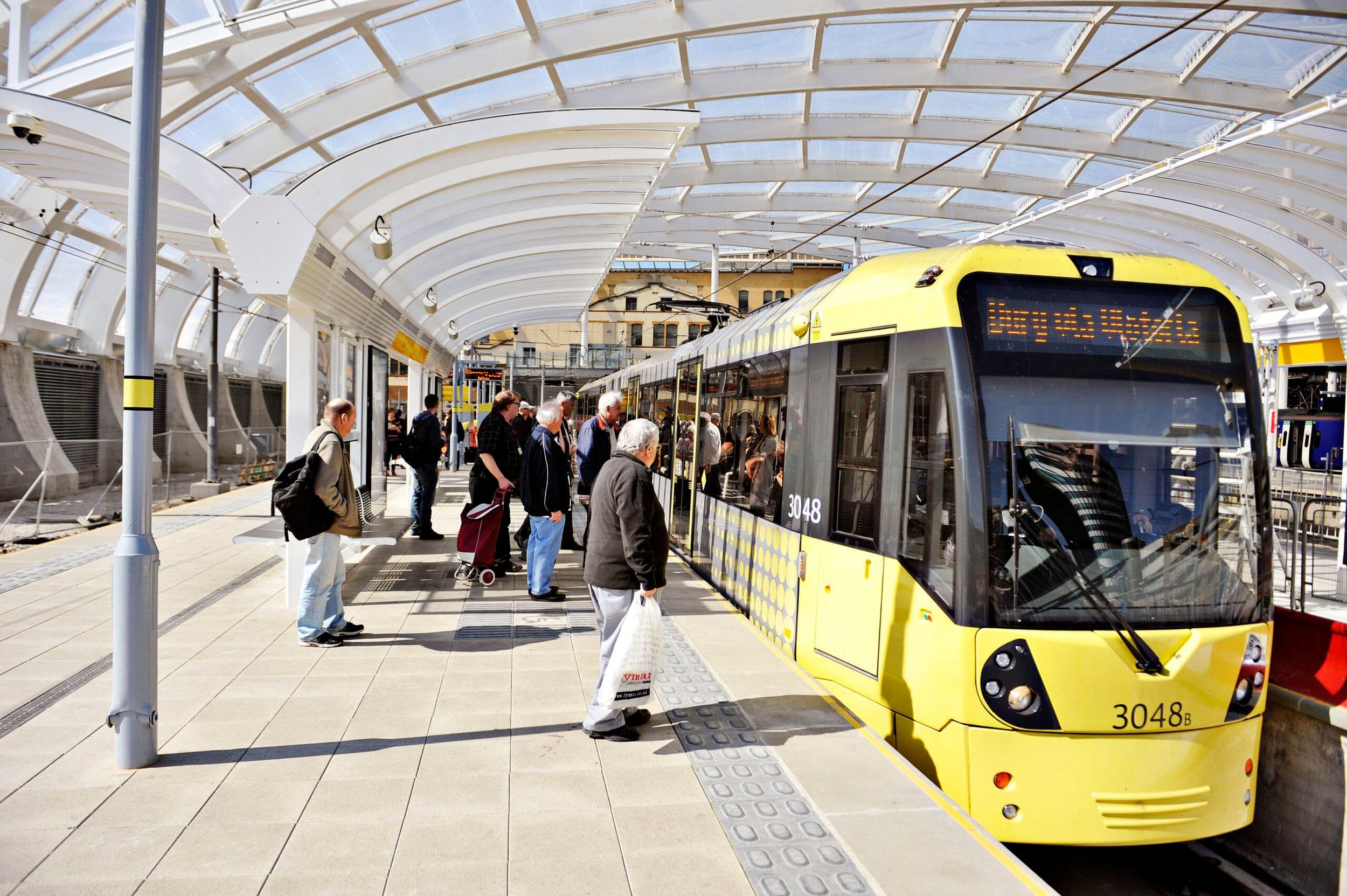
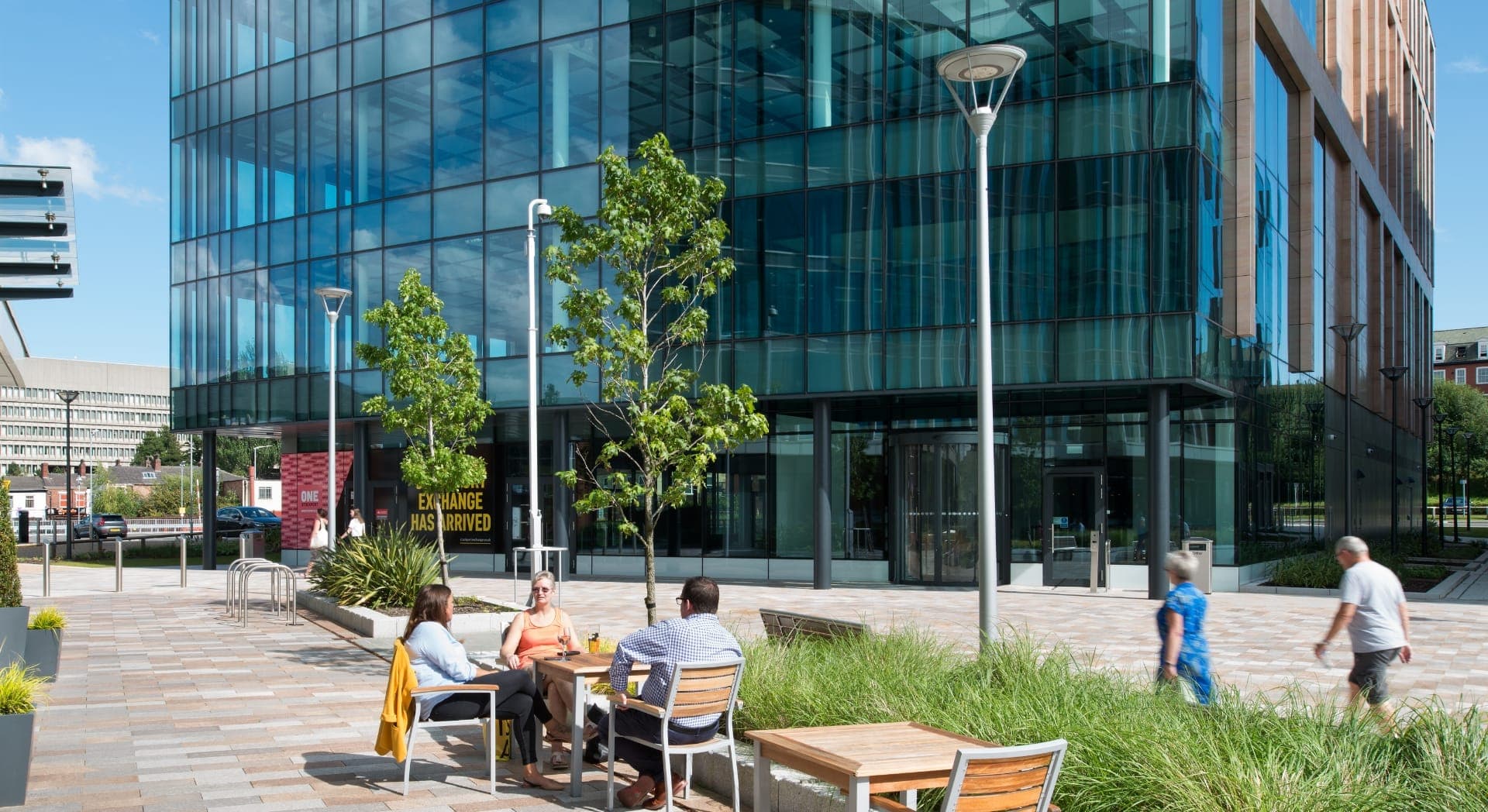
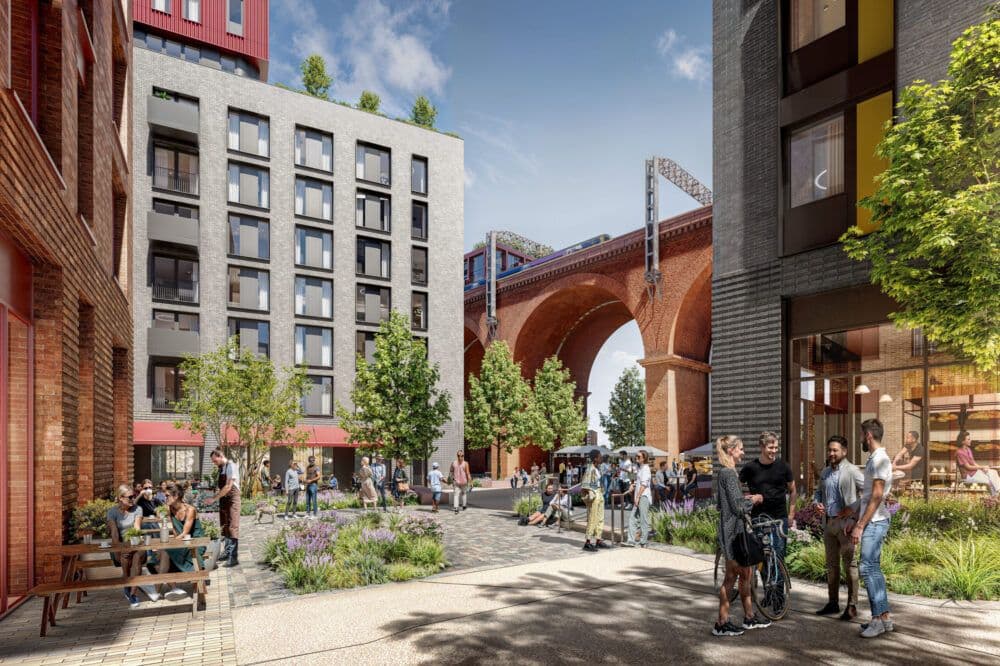
So far, the MDC has been steadily shaping Stockport, from the award-winning Stockport Interchange to the revival of Weir Mill, and ongoing growth of Stockport Exchange. The core of MDC's vision now is a clear move to repopulate the town centre. Plans in motion point to 8000 new homes, seeing an influx of new residents living centrally over the next decade.
That level of population growth is going to hit with real economic impact. In a good way (like injecting £70m-£100m into the local economy every year).
More residents mean more daily spending in local cafés, restaurants, shops and services, just the kind of consistent activity that underpins a resilient high street. It also supports use of public transport, strengthens the case for public realm investment and creates conditions for a more active cultural and evening economy.
The strategy to move people into Stockport while long-term regeneration is underway is smart. Because time and time again, we've seen that transformation works best when people live in the places being regenerated. On that front, Stockport is moving in a clear direction: from a town centre people pass through, to one they anchor their lives in.
Growth Needs Backing Up
So, growth is going full steam ahead in Stockport. There's no question about that. But will it be supported in a way that feels sustainable?
We know housing delivery only works long-term when it's matched by access to healthcare, education, transport and green space. As more people move into Stockport town centre, everyday systems need to grow in tow. That's where the MDC model wins brownie points. Its structure allows for a more coordinated approach, aligning infrastructure investment with development instead of reacting to pressure later down the line. This strategic view of growth is going to be critical through the next 10 years. Without it, even well-intentioned regeneration can put strain on the communities it's actually there to support.
"Stockport has been a genuine trailblazer for the Mayoral Development Corporation model. It is showing what can be achieved when you work together with partners and use innovative powers to drive forward transformative projects and revitalise a town centre.
With backing from Parliament to expand the MDC, Stockport is continuing to break new ground for urban regeneration. This is a blueprint for towns up and down the country to follow - and it's why this model is being rolled out to other places across Greater Manchester as well, so more areas can benefit from new homes, jobs, investment, and good growth."
- Greater Manchester Mayor, Andy Burnham.
Who Gets to Live Here?
The topic of affordability is front and centre for Stockport's future. With its distinctive character and easy access from Manchester, the area's rising profile has won it hype, and hikes in people wanting to live there. But that demand comes with added pressure.
If regeneration delivers new homes without considering who they're financially viable for, it risks narrowing the town's demographic mix. A healthy centre depends on a range of housing options, supporting different income levels, life stages and tenures. Without that balance, places can quickly tilt toward being exclusive or transient, where people never become stable, interconnected communities.
The approved expansion of the regeneration boundary to the other side of the A6 means 8000 homes are on the way for Stockport town centre by 2040. How many will be specifically affordable isn't fixed or final yet, but considering MDC reports 20-25% of the homes completed in previous phases can be classified as affordable, progress looks aligned with creating a wide mix of homes for different people at different stages of life. And expand access as the town grows, rather than limiting it.
Our Take
The MDC expansion is big news, not only for Stockport, but for the history books. While Stockport Council has doubled its housing ambitions, the approval is a first for the UK, marking the only time a Mayoral Development Corporation has won a boundary extension. The considered regeneration of Stockport so far has shown how growth can be both scalable and human. This alone has made it the model to watch, fast becoming a blueprint for other national and international schemes. The green light from Parliament to back further growth represents more than just an increase in scale. It cements how successfully Stockport laid its foundations.
The next phase will be defined by how well growth is balanced, delivering homes alongside infrastructure, maintaining affordability alongside demand and reinforcing the identity that resonates with residents and visitors alike. But if the MDC's latest win tells us anything, it's that Stockport's vision has earned our confidence.