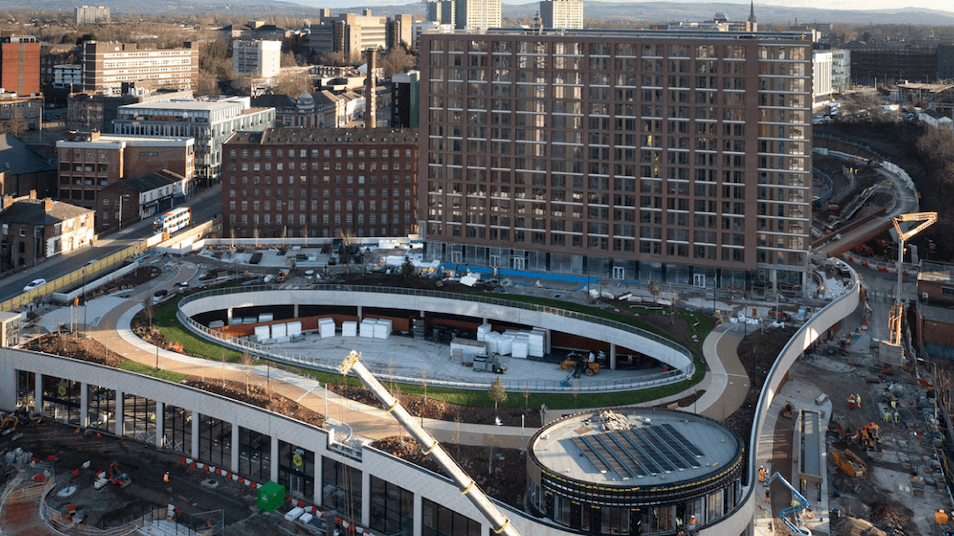
Stockport MDC: More Growth
Since our last Brik-Down on the Stockport Mayoral Development Corporation (MDC), there's been a big update. So, let's get back into it.
|
Stockport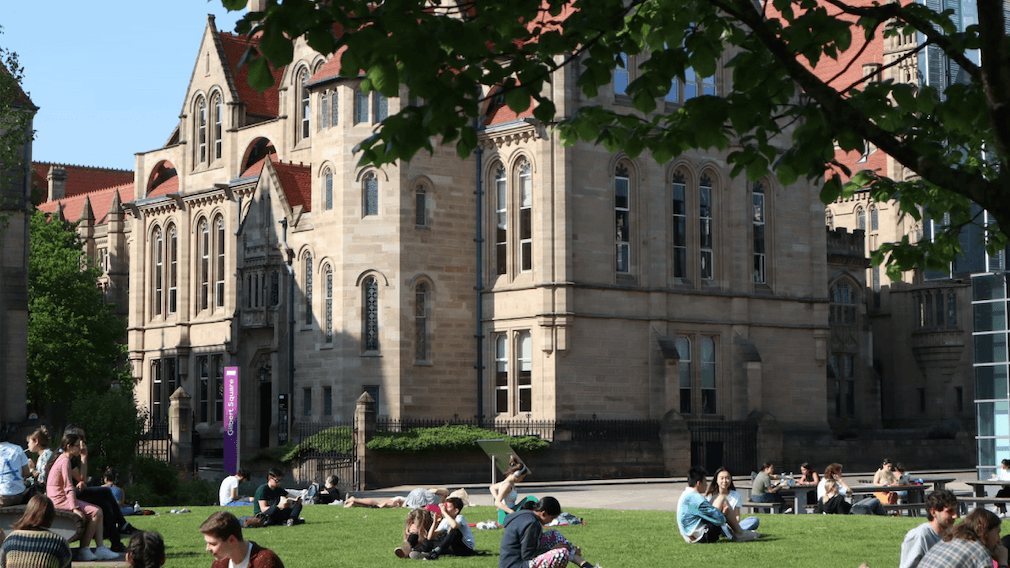
Manchesters Talent Engine
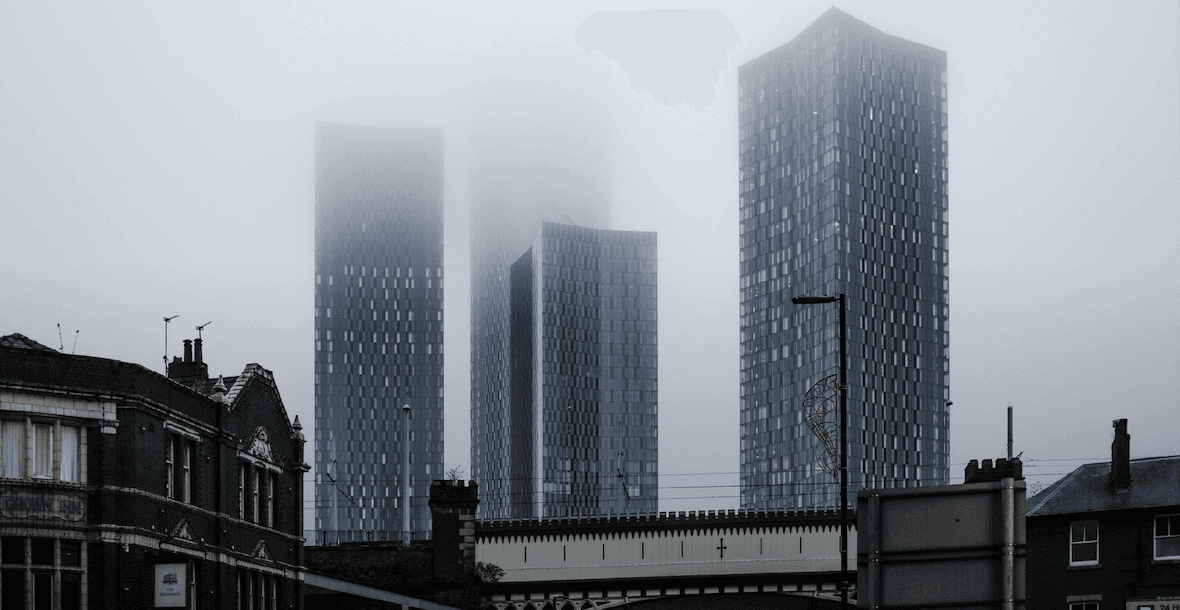
Manchester used to get labelled as a 'regional city', but the last decade has seen the city outgrow this title to become a strong, self-sustaining standalone. A place that produces talent, holds onto it, attracts more and feeds what it's got through industry opportunity and investment.
|
Manchester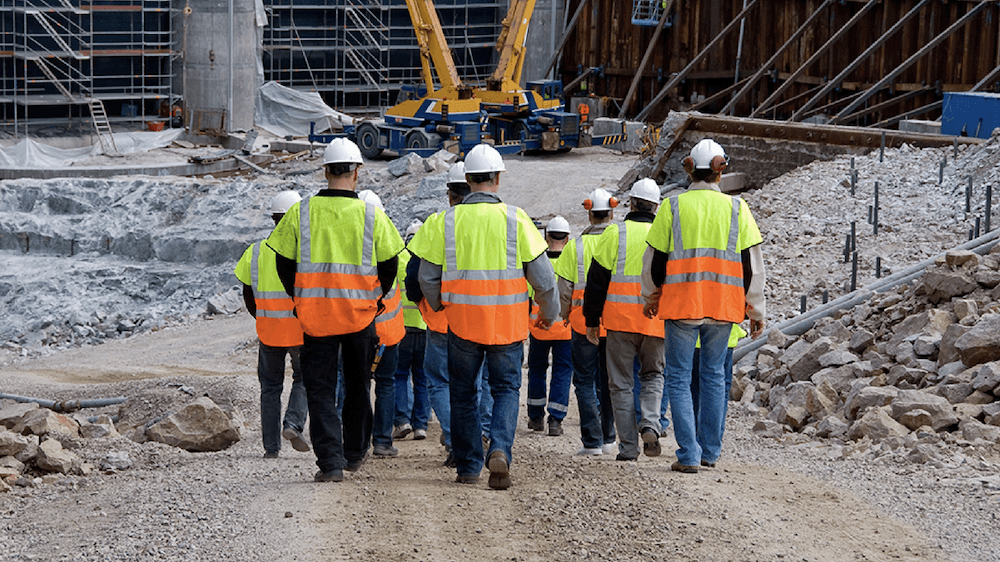
Builders Wanted: The Shrinking Workforce Stalling Growth
The UK talks constantly about growth. About housing targets. About productivity. But there's a different conversation that needs to be had: one about who actually builds the country, and where they all are.
|
NewsFilms
MCR In Motion
|
February 2026
Auntie Lou's
|
February 2026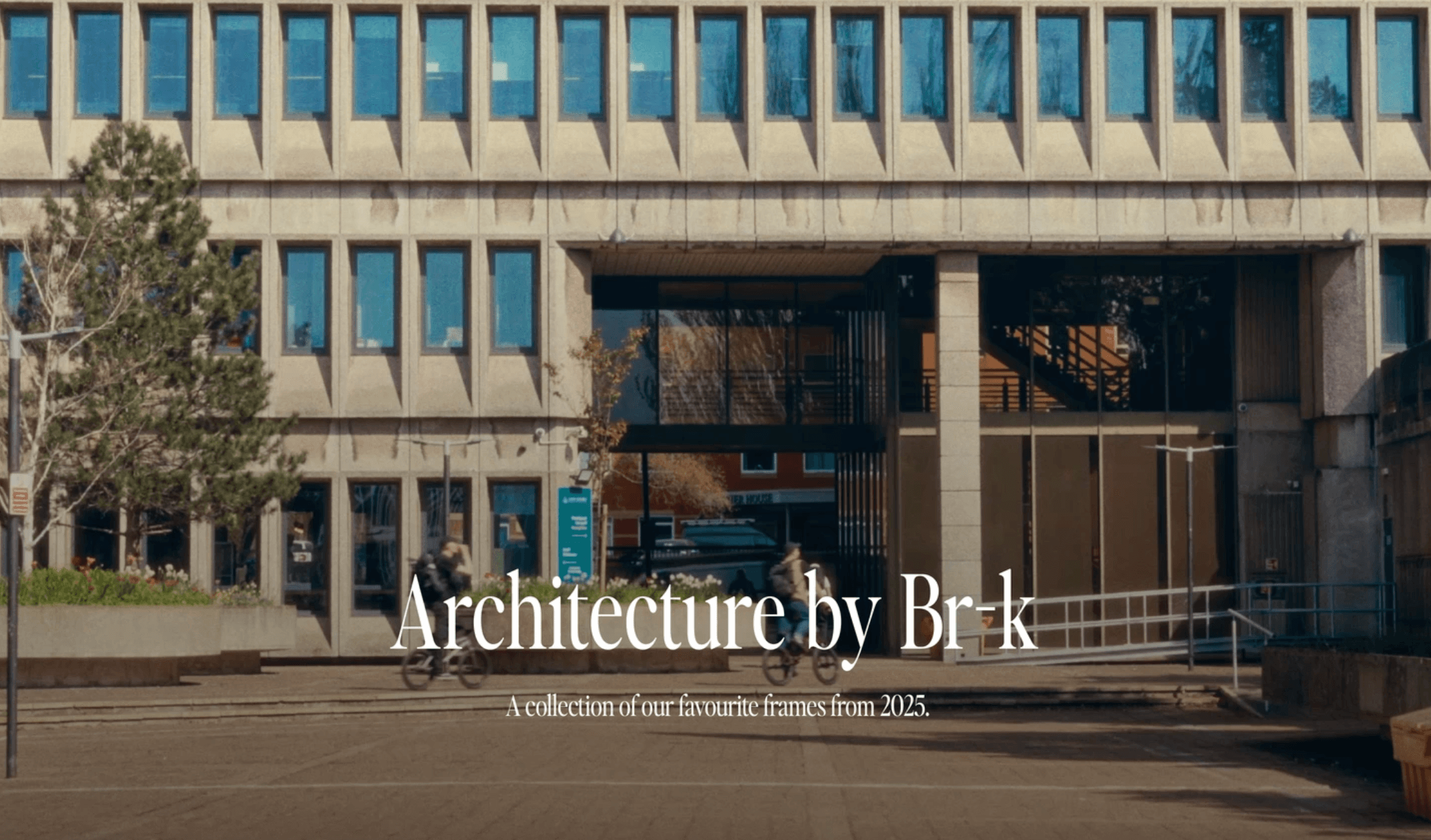
Architecture by BRIK
|
February 2026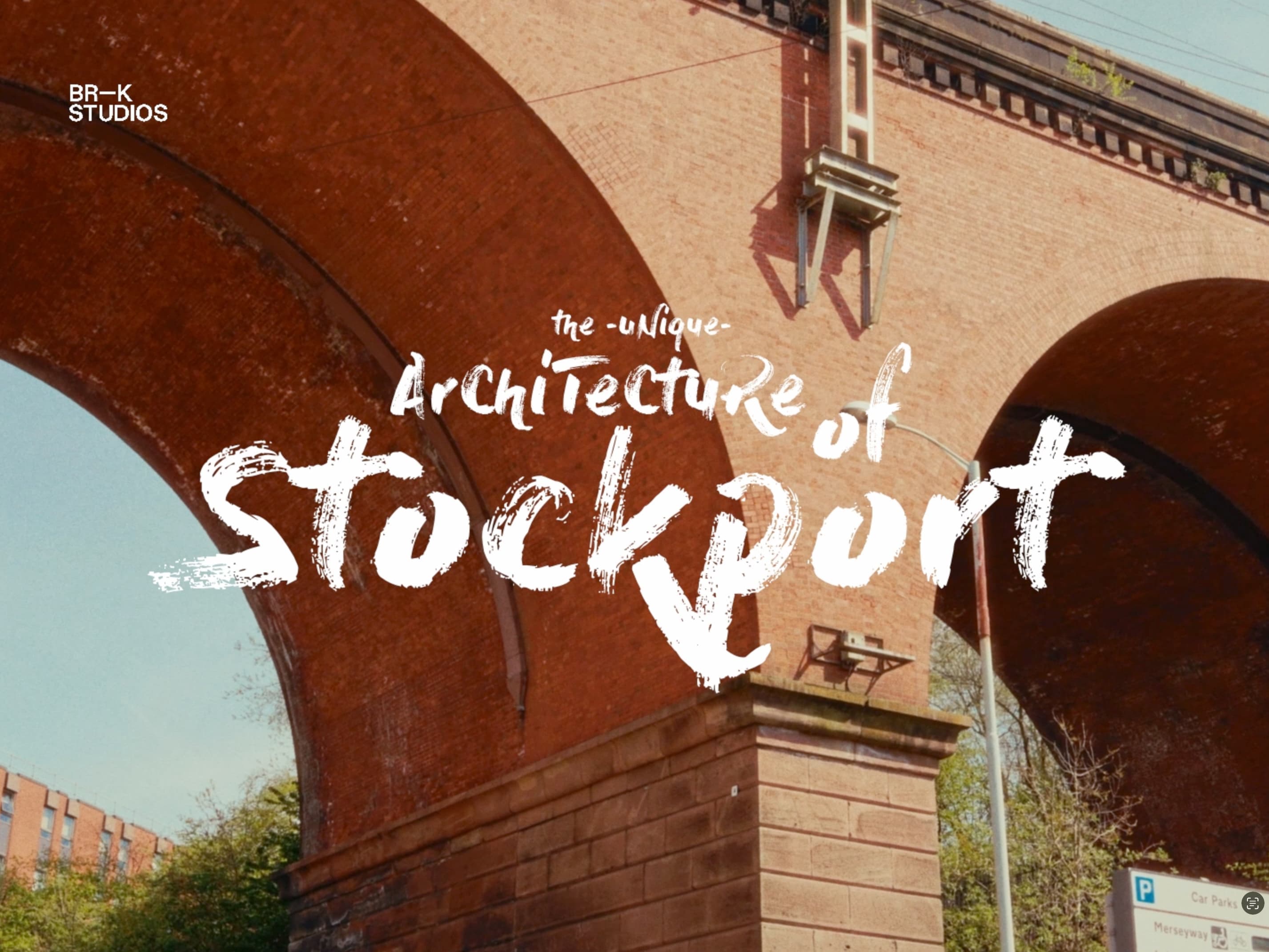
The Unique Architecture by BRIK
|
July 2025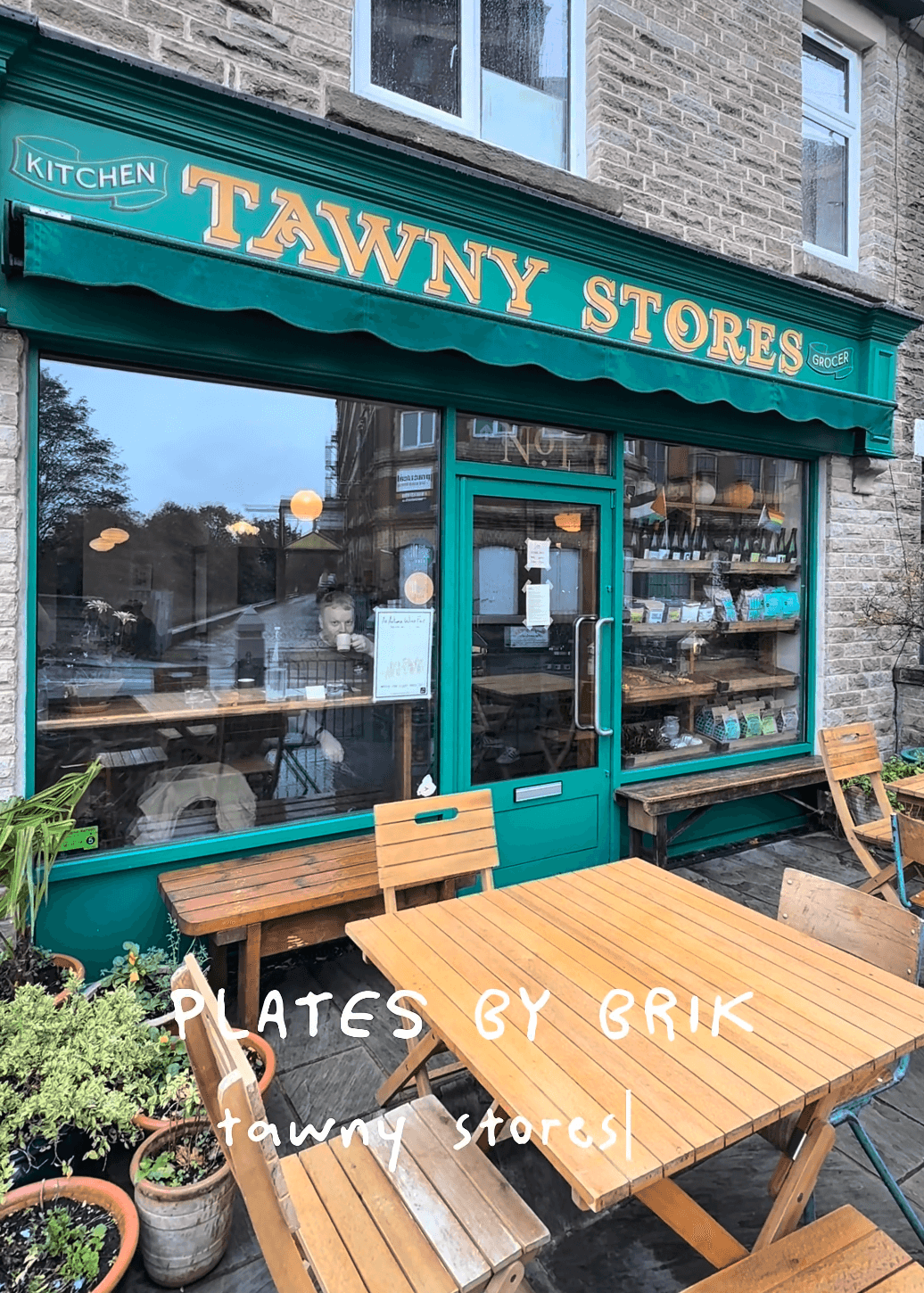
Tawny Stores
|
October 2025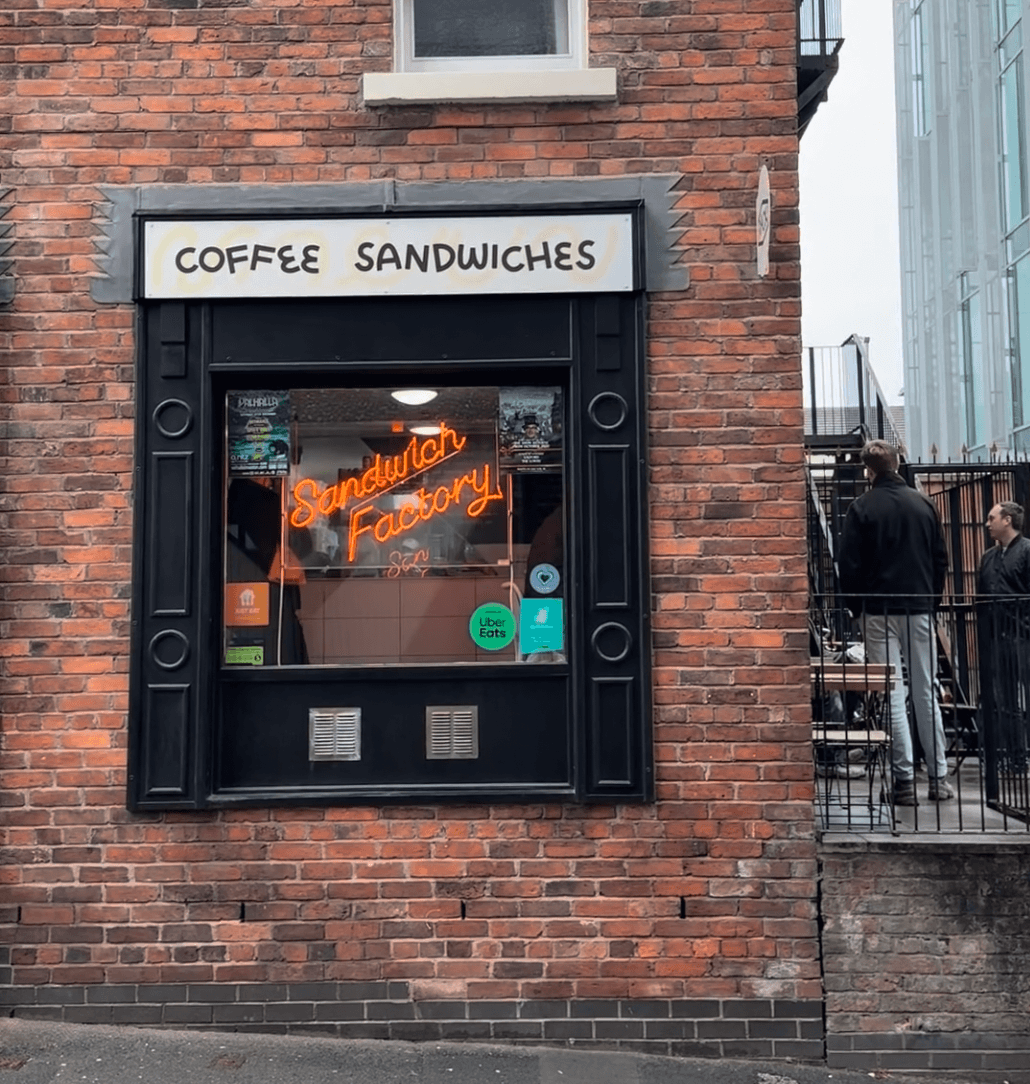
Rack
|
October 2025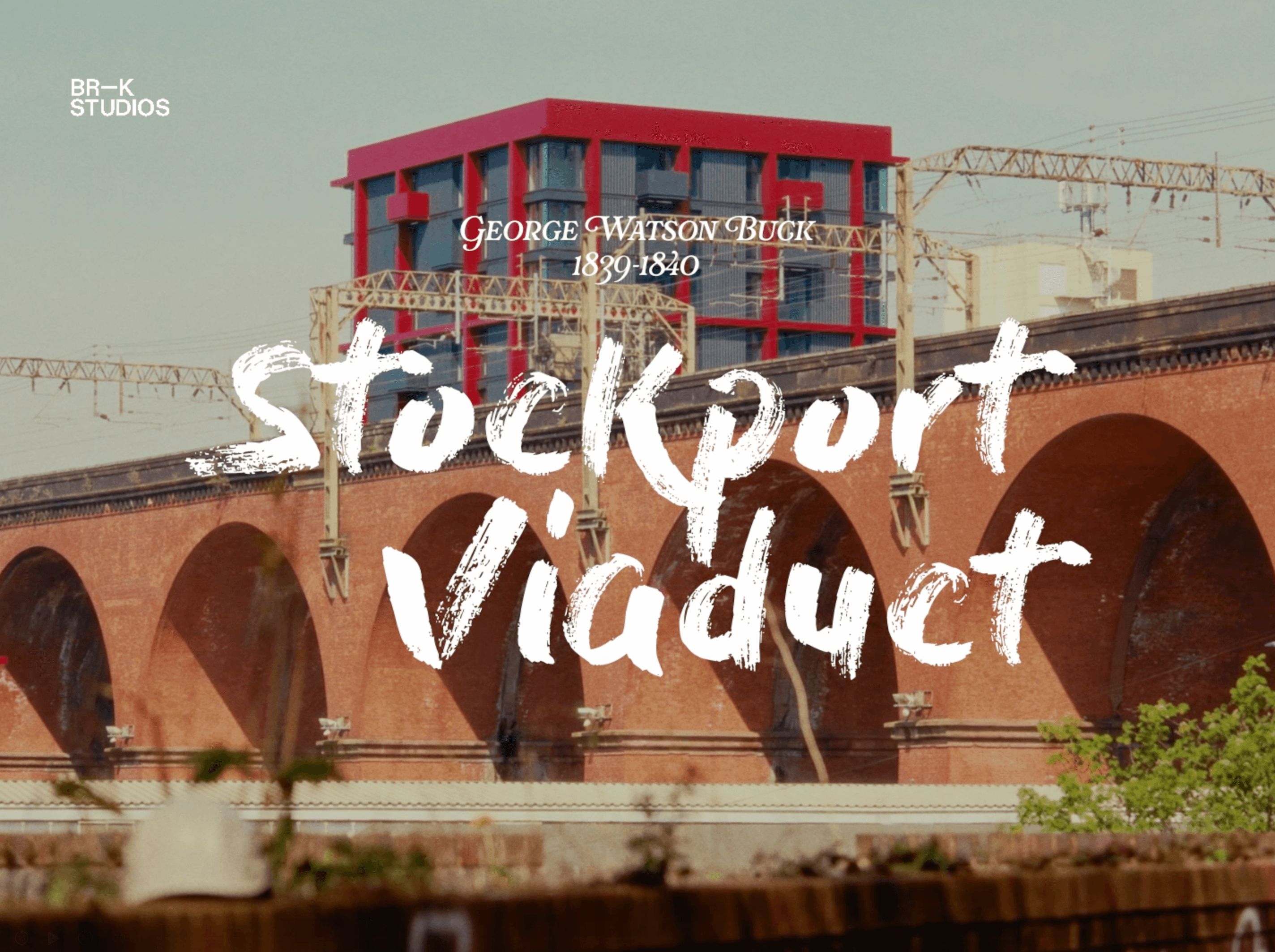
Stockport Viaduct
|
July 2025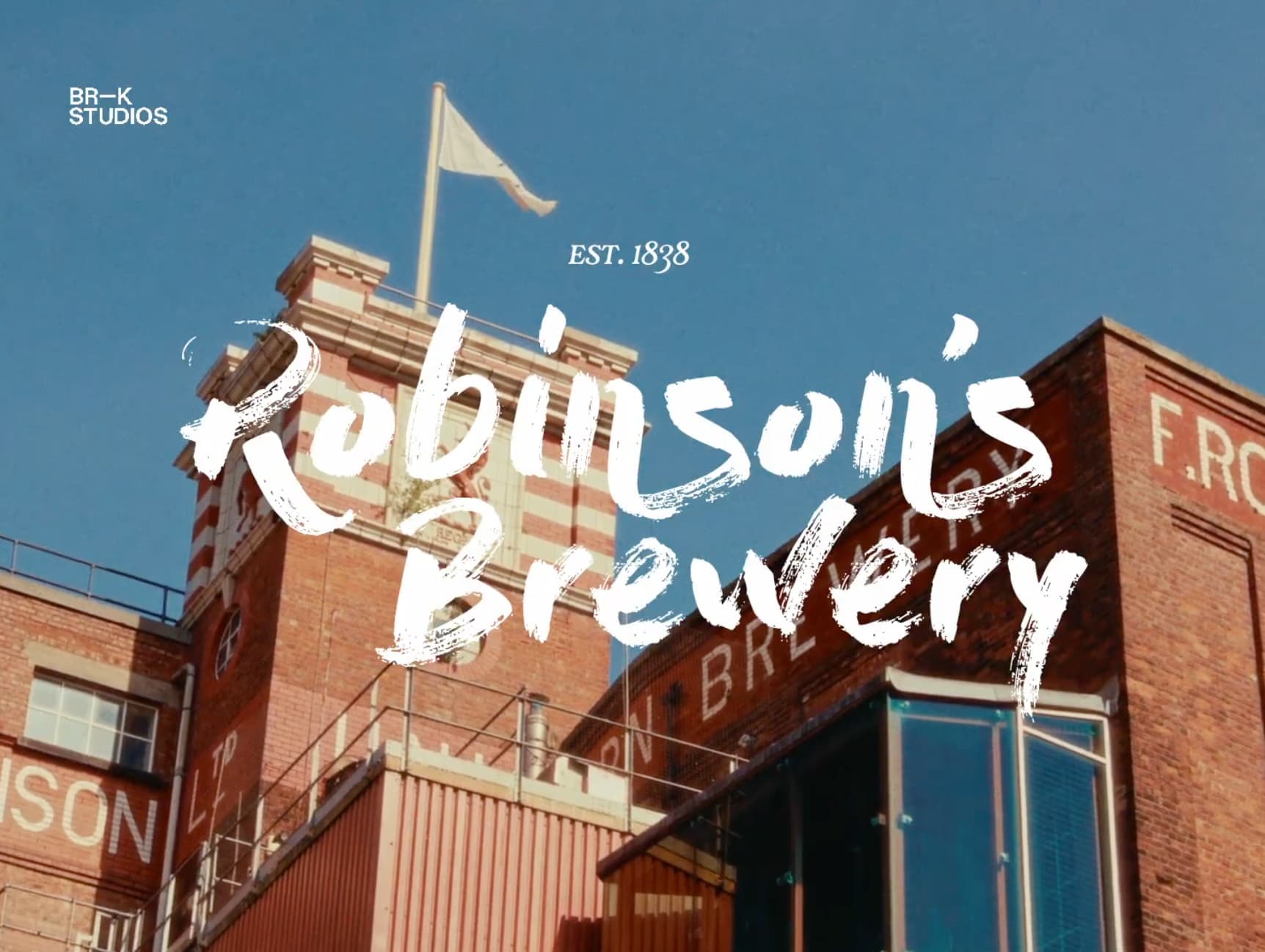
Robinsons Brewery
|
June 2025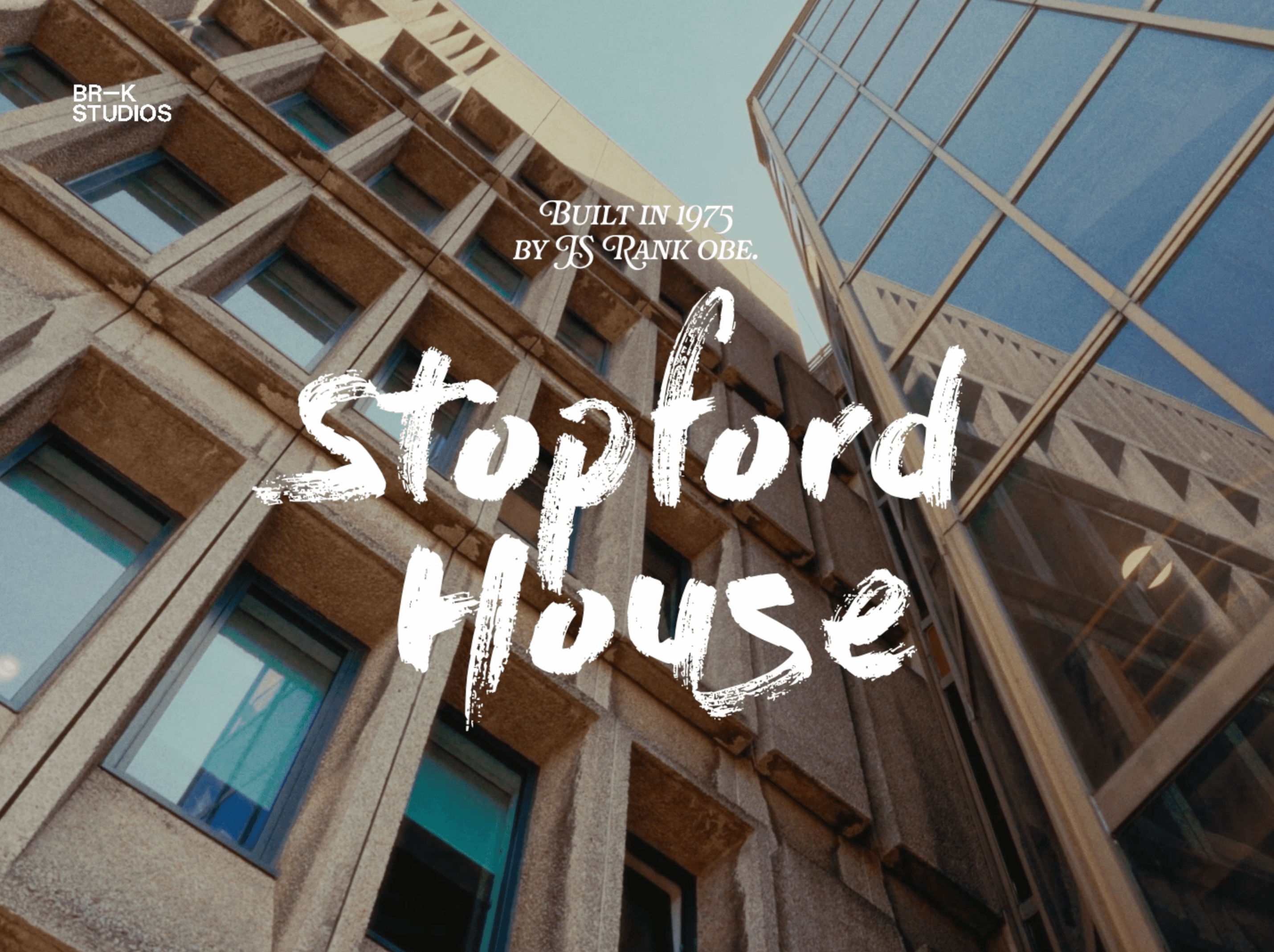
Stopford House
|
July 2025
Yellowhammer
|
June 2025
Little Scarfs
|
June 2025
Cantaloupe
|
June 2025
The Mekong Cat
|
July 2025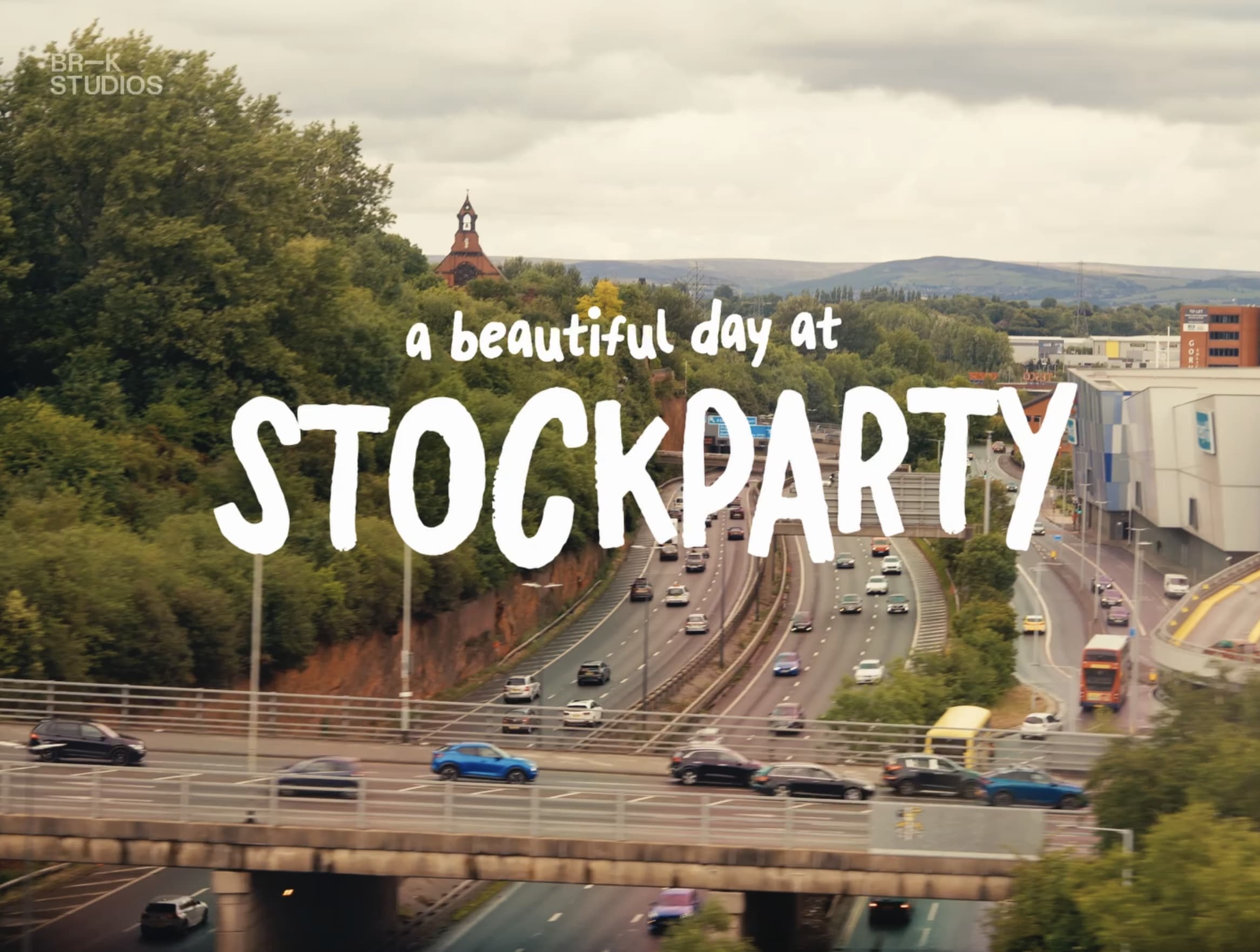
Stockparty
|
July 2025
13-15 Great Underbank
|
July 2025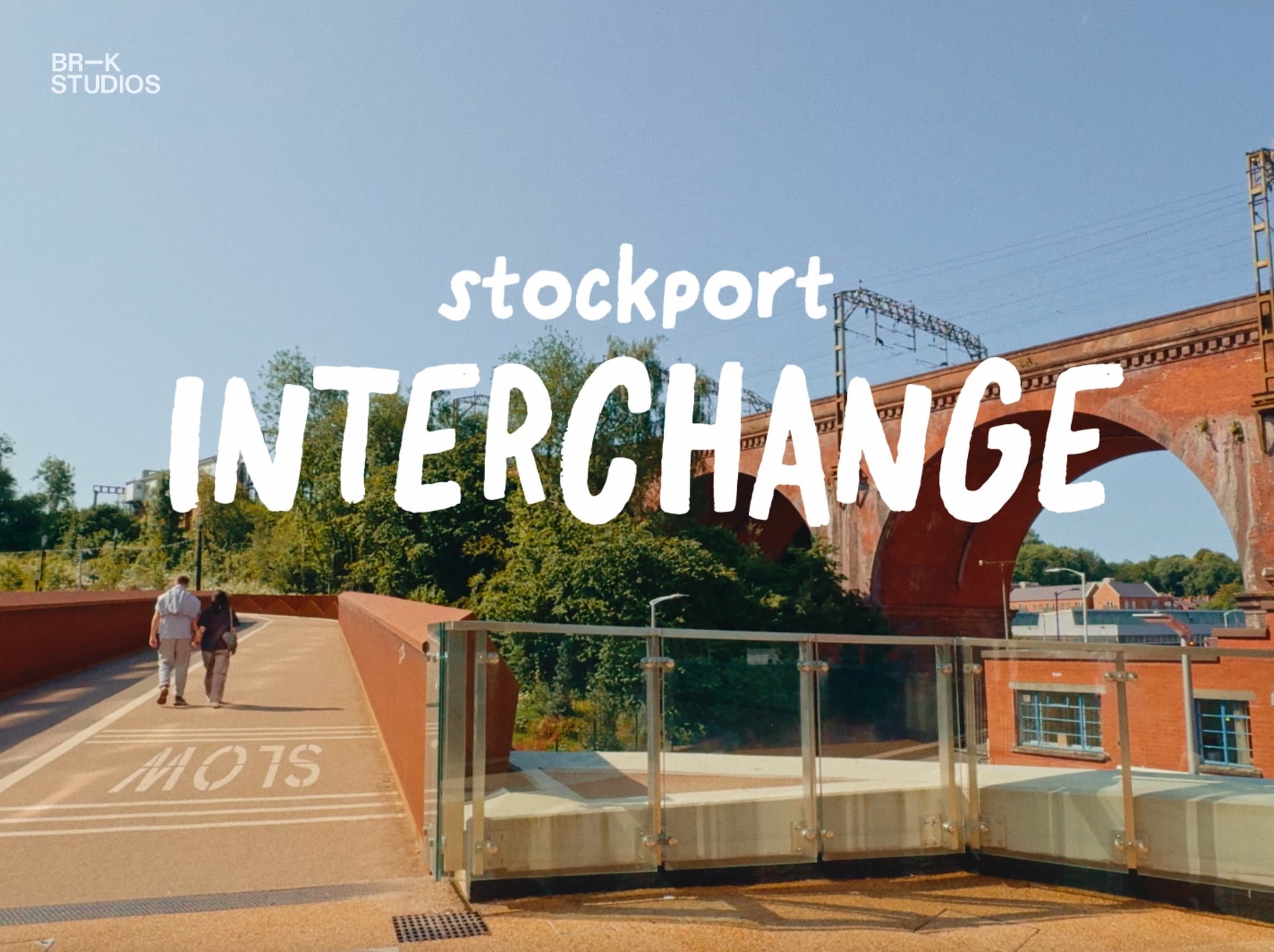
Stockport Interchange
|
June 2025
The Beauty of Stockport
|
July 2025
Fold
|
August 2025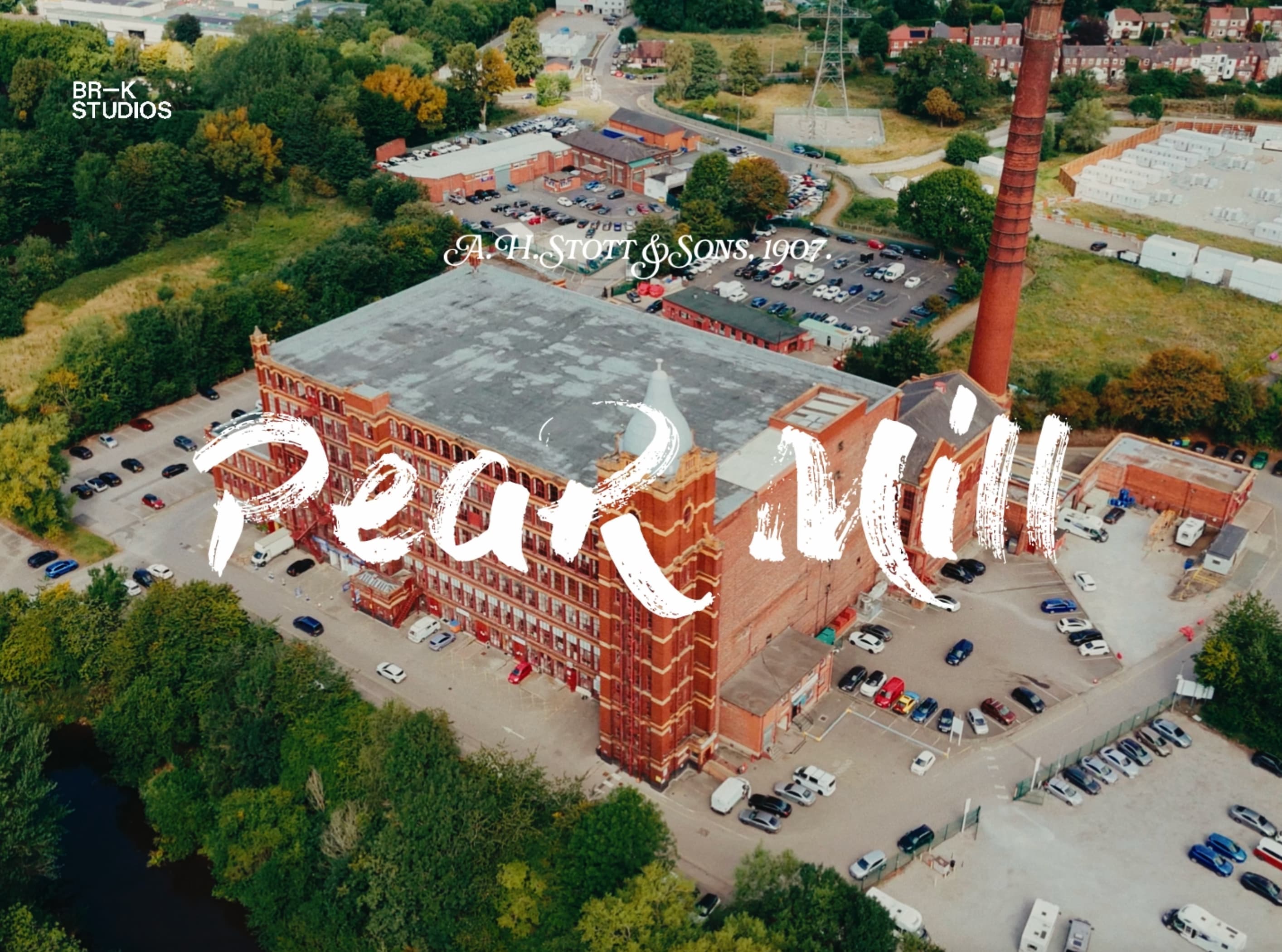
Pear Mill
|
September 2025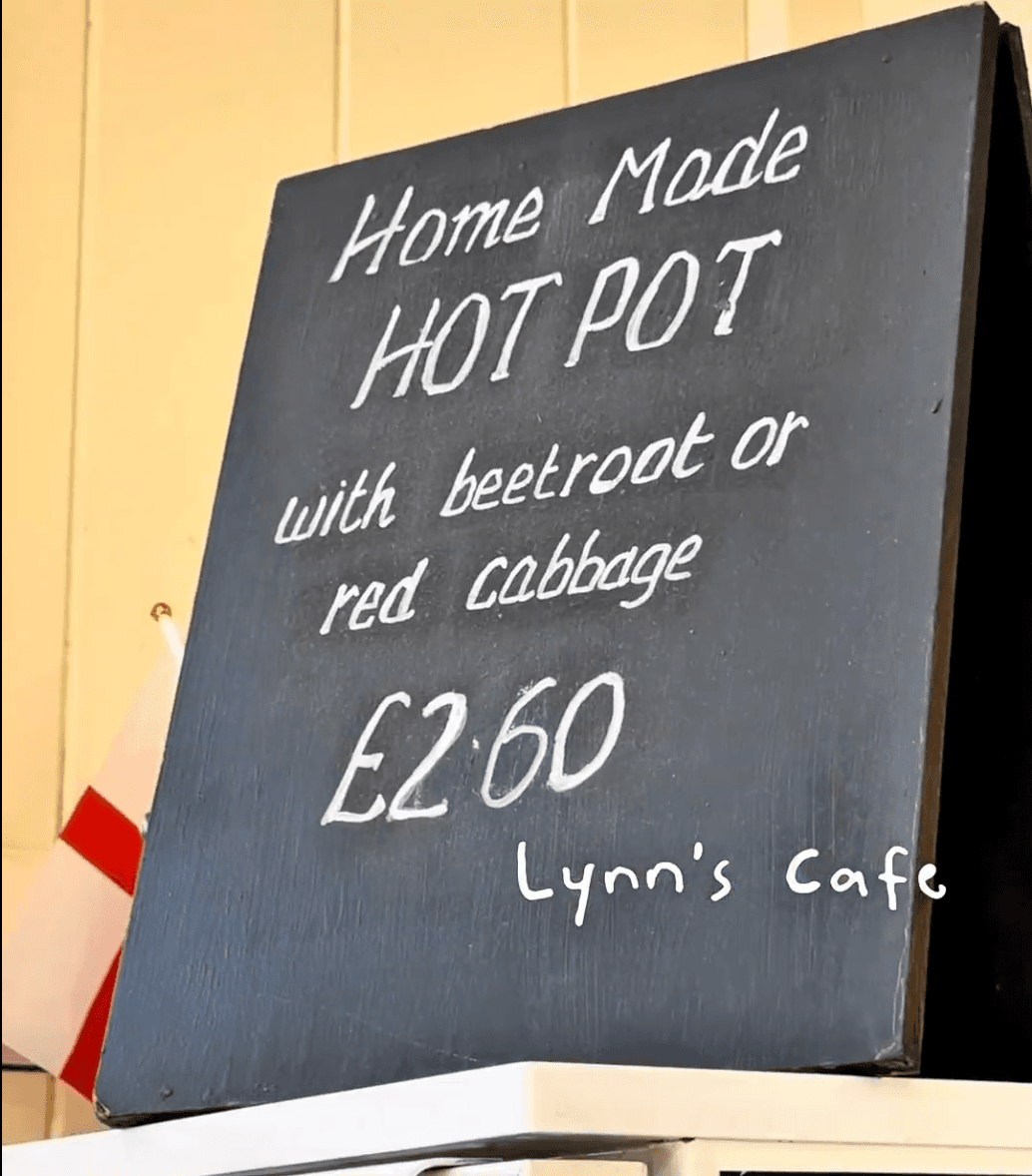
Stockport Market
|
September 2025