Wrocław is one of Europe's most quietly successful regeneration stories..
Once heavily damaged during World War II, then constrained by decades of underinvestment under communism, the city entered the 1990s with aging housing stock, fragmented infrastructure and a shrinking sense of confidence. What followed was not a single flagship project, but a long-term, coordinated commitment to rebuilding the city as a place to live, not just a place to pass through.
Today, Wrocław consistently ranks among Poland's most liveable cities. Its success wasn't accidental. It was structural.
Our Take
Regeneration works when it is treated as a system, not a series of projects.
Wrocław's transformation shows what happens when housing, transport, education, green space and community investment move in parallel. Not sequentially. Not competitively. Together.
This wasn't about chasing iconic architecture or short-term returns. It was about restoring confidence, density and everyday quality of life block by block, district by district.
Housing as the Foundation
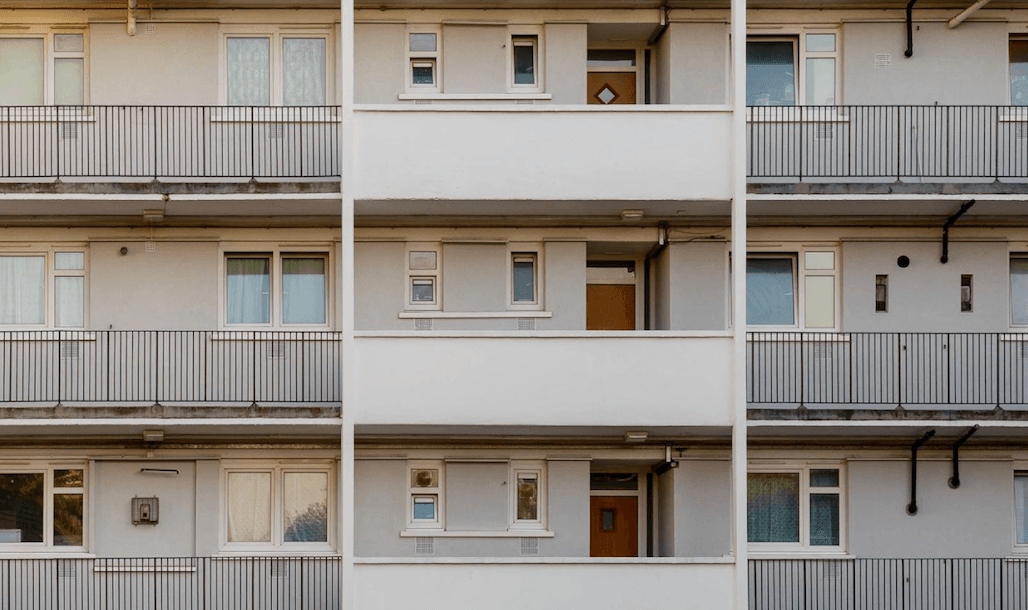
Since the early 2000s, the city has prioritised mixed-tenure housing, combining municipal programmes with private development and EU-backed funding. Large areas of post-war housing were modernised rather than erased, while new residential districts were planned with schools, transport and services embedded from the outset.
Crucially, housing delivery was continuous, not cyclical. The city avoided the boom-and-bust model by maintaining a steady pipeline of permissions and infrastructure support. That stability attracted long-term investors and developers willing to build for occupation, not speculation.
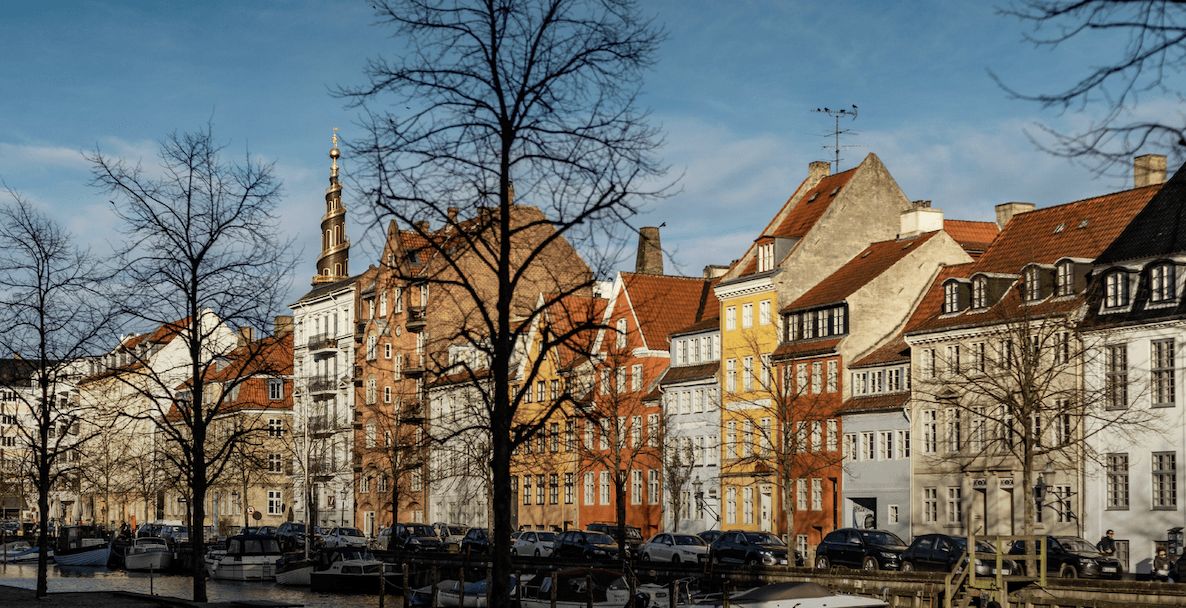
Density was embraced but human-scaled. Streets were designed to be lived on, not driven through.
Community Before Capital
Physical regeneration in Wroctaw was matched by social investment.
Neighbourhood renewal programmes focused on shared spaces, cultural facilities and local identity, particularly in districts close to the historic centre. Former industrial buildings were repurposed into libraries, art centres, co-working spaces and community hubs ensuring regeneration benefited existing residents, not just newcomers.
Public consultation wasn't treated as a box-ticking exercise. It shaped outcomes. The result was a city that grew without losing social cohesion, where regeneration felt participatory rather than imposed.
This is one of Wrocław's defining strengths: growth without displacement at scale.
Green Space as Urban Infrastructure
Wrocław is often called the city of a hundred bridges, but its real advantage lies in its relationship with nature.
The city made a strategic decision to treat green space as essential infrastructure, not leftover land. Parks, riverbanks and green corridors were restored and expanded, particularly along the Oder River, creating a continuous network of public space woven through the city.
These spaces are not ornamental. They manage flood risk, support biodiversity, improve air quality and provide everyday recreational space within walking distance of dense housing areas.
Green investment wasn't an afterthought. It was planned alongside housing delivery.
Schools as Anchors of Growth Education played a central role in Wroctaw's regeneration.
The city invested heavily in modernising schools, expanding university capacity and aligning education with the local economy. New residential districts were planned around schools, not the other way around, ensuring families could settle long-term.
Wrocław's universities became anchors for innovation, attracting international students, research funding and employers.
This created a virtuous cycle: education fed employment, employment sustained housing demand, and housing supported community stability.
Regeneration held because people stayed.
Transport That Serves the City
Wrocław didn't chase car-led growth.
Instead, it prioritised public transport, cycling and walkability, expanding its tram network, modernising stations and improving regional rail connections.
New housing districts were connected early, not retrofitted later.
Travel became predictable, affordable and reliable, reducing congestion while increasing access to jobs, education and services across the city.
Mobility supported density, rather than undermining it.
The BRIK-Down
Wroctaw's regeneration worked because it followed a few clear principles:
- Housing delivered at scale and continuity
- Community embedded into redevelopment
- Green space treated as infrastructure
- Schools planned as neighbourhood anchors
- Transport designed for people, not just movement
None of this was revolutionary. But it was coordinated, patient and sustained.
Why It Matters?
Wrocław reminds us that regeneration doesn't need spectacle to succeed. It needs alignment. Long-term thinking.
And a willingness to treat cities as living systems rather than investment vehicles.
For places grappling with housing shortages, fractured communities and stalled ambition, the lesson is clear: regeneration works when delivery matches intent and when homes, people and infrastructure are rebuilt together.
Brik by Brik.