When it comes to regeneration, the UK loves to lead with PR. A nice slogan here, a fancy bit of CGI there and a soft-touch masterplan. But over in Europe, the most successful neighbourhoods grew from frameworks. Clear, civic enforceable frameworks backed by patient delivery and long-term political courage. What can we learn from them and how can we switch modes?
The BRIK-Down
Cities like Copenhagen, Hamburg and Vienna picked a vision, codified it, funded it properly, and stayed the course for decades. At a time when housing shortages, climate pressure and public distrust define Britain's urban landscape, the deliberate, fair and disciplined growth of Europe's quiet successes offer evidence that frameworks make better cities possible. Not flagships.
The Winning Regeneration Formula
Every city that's delivered lasting regeneration shares a common DNA. Governance, land and long-term smarts - a quiet trinity that's given rise to real results.
- First - they start with a spatial framework that has real authority. Growth corridors, height and density parameters, transit-first logic - a civic diagram everyone commits to and can survive leadership changes.
- Second - public land is treated like a public asset. Land is held strategically, released in phases and reinvested into infrastructure and housing. The value created by good planning becomes the engine for further funding, instead of a private windfall.
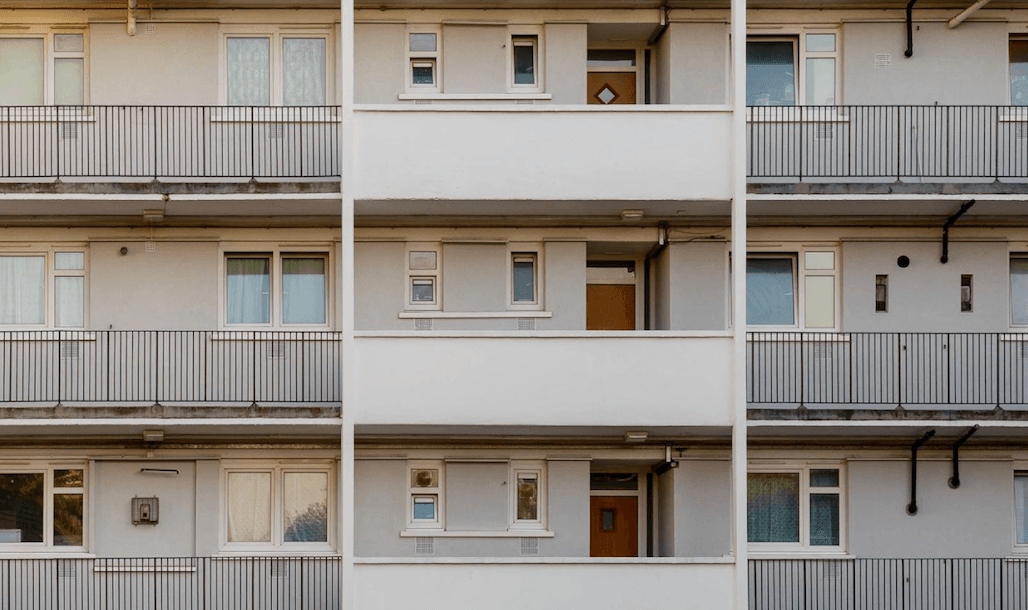
- Third - non-market housing is core infrastructure, not a residual percentage left if viability allows. From co-ops to municipal stock, affordability is baked into the DNA of entire districts, ensuring mixed communities from day one.
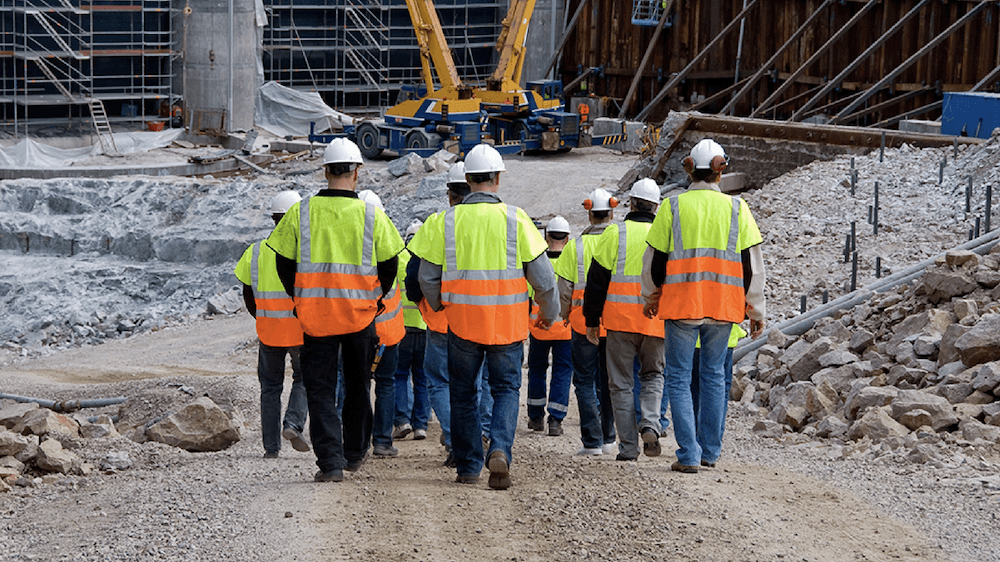
- Fourth - their delivery bodies actually deliver. They choose arm's-length public developers with powers to phase, procure and enforce quality standards for the long run.
- Fifth - finally, public realm and life-first design is a non-negotiable. Streets are intended to belong to people, with trees, bikes, play and safety all embedded before any cranes arrives.
The Cities That Got Regeneration Right
Copenhagen - The Finger Plan
In 1947, Denmark's capital drew a simple diagram of hand. The five fingers centred on commuter rail lines, extending from the dense urban fabric of central Copenhagen (AKA, the palm). They intended to create vibrant, mixed-use districts around each station, and between the fingers, green wedges of land for agriculture and recreation. 70 years later, the city follows that plan. The lesson? Draw a framework and commit far beyond one election cycle.
Vienna - Housing as Public Good
Close to 60% of Vienna's residents live in municipal or city-subsidised housing - beautiful, mixed and sustainable places to live. Land policy, public developers and a cost-rent model create housing security across generations. Vienna's simple truth: housing can be foundational infrastructure, instead of a hard commodity.
Hamburg HafenCity - Value Capture Done Right
Hamburg's waterfront regeneration rests on one principle - the city owns the land. Hamburg used a city-owned development vehicle (HafenCity Hamburg GmbH), strategic land control and value-capture to fund infrastructure and enforce social and design rules... The result is a diverse, vibrant new quarter that's fully part of the city, rather than feeling like an appendage to it.
Barcelona - The Superblock Revolution
Barcelona's superblocks flipped the traffic hierarchy, reclaiming streets for people and turning intersections into public rooms. The city didn't wait for a perfect following first; it built momentum by getting on with delivery. The outcome is cleaner air, safer movement and livelier urban life. A bold framework brought to life, block by block.
Why This Matters Back in Manchester
The UK doesn't lack imagination, but the machinery of delivery is definitely a little lacklustre. Sure, we create brilliant visions and compelling visuals, then we lose momentum to a short-term mindset, fragmented land control and endless reevaluation of ambition. All while Europe builds frameworks to last generations.
What if Greater Manchester committed to a metropolitan framework of growth corridors anchored by transit? A long-term public land strategy, city-region development corporation with real delivery powers and non-market housing scaled as infrastructure? These aren't radical ideas - in fact, they'd be no-brainers if we shared the DNA European cities have defined for regeneration.
Our Take
Stockport or Strasbourg, the places we plan, build, fund and grow deserve success measured in generations, not marketing engagement. Moodboards and PR phases are one way of approaching regeneration - are they how Europe has established world-famous neighbourhoods, public value, stability, opportunity, beauty and belonging? No. So let's learn (and borrow) from their disciplined, civic act of shaping land around people's lives.