Somewhere between the headlines and hashtags, Britain decided “landlord” meant villain; blamed for the housing crisis, painted as profiteers and used as an easy punchline from political podiums to primetime panels. It’s a neat story, emotionally charged, morally simple but completely detached from how housing actually works. So, if landlords aren’t really the problem, what’s behind our current crisis?
The BRIK-Down
The anti-landlord narrative goes down so well because it’s politically convenient. It costs nothing to promise a “crackdown,” and wins airtime faster than a planning reform ever could. Whether the narrative targets small private landlords or institutional players, the truth is the same; Britain doesn’t have too many landlords, it has too few homes.
What we’re living through is a supply crisis being spun as a social crusade. And while we play the blame game, we’ve stopped building. The real reasons for the housing crisis are familiar and fairly unsophisticated. Planning policy has stalled for decades.
Public-sector delivery fell off a cliff in the 90s. Institutional investment arrived late to the party, while population growth and household formation outpaced supply every single year. Build-to-Rent still only scratches the surface, and local authorities have lost much of their development capacity. Even the tax system has been twisted to politicise housing instead of enabling it.
It’s easier to point at the person who owns two terraces in Bolton than ask why successive governments treated homebuilding as optional.
Small vs Big Landlords
Small private landlords are an entirely different beast to institutional juggernauts. The government needs to make a distinction between the two and treat their roles differently, whether in taxing or the type of housing they can buy. If our politics can’t tell them apart, it’s the politics that’s broken.
Because blanket hostility towards the role of “landlord” drives the responsible players out of the market. Big landlords who play a key role in helping regeneration schemes get off the ground and people who’d make renting safe, as a home should be. People like retired couples investing for income, small builders bringing an old place back to life, or a community co-op restoring a disused mill.
The Real Role of Landlords
Private landlords are a structural essential. The private rented sector houses millions, forming the safety valve of Britain’s urban housing system. Without them, we’d face an instant homelessness crisis. With them, they fill a gap neither the government nor large institutions can quite close.
Smaller landlords bring capacity and agility to markets long before institutional capital arrives. They do up derelict properties, fund conversions and refurbish streets others ignore. They also take the regeneration risk, often the first to invest in areas that later come up in urban revival.
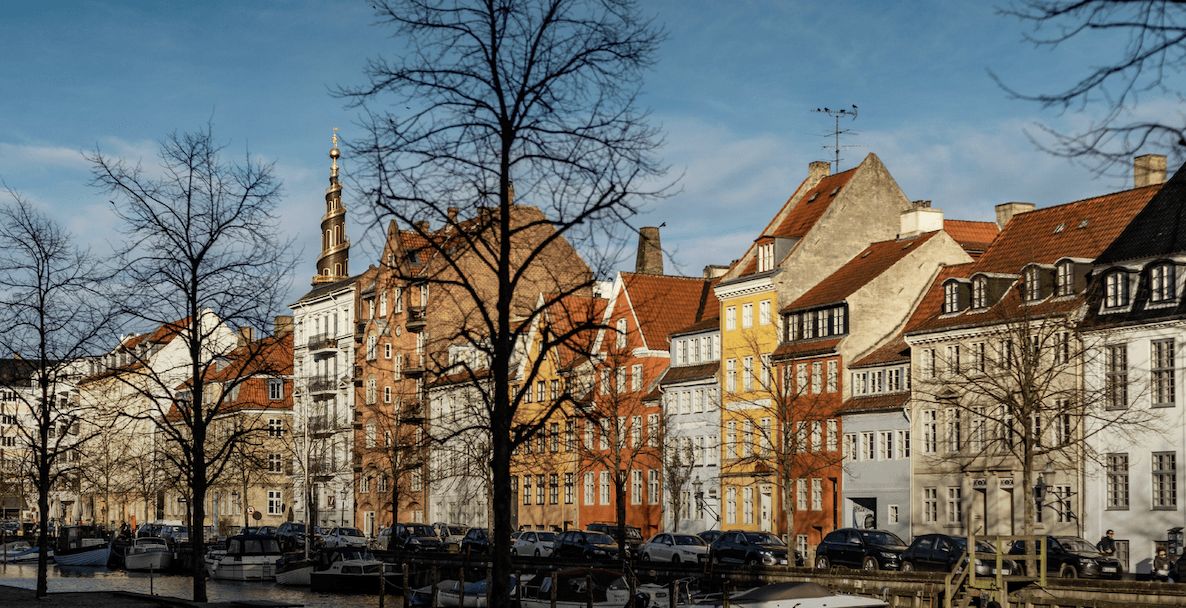
They enable social and economic mobility, housing everyone from students and NHS staff to families rebuilding after a setback. And they form the base of the rental ecosystem that larger operators rely on. Every healthy housing market from Copenhagen to Vienna has both small and institutional landlords. Remove the first rung, and the whole ladder collapses.
Allies, Not Enemies.
Now, obviously, bad landlords do exist. On the smaller scale, the faults in the sector play out in private landlords’ sketchy maintenance, exploitative behaviour and disregarding of tenants’ legal rights. Up the ladder, it’s in power moves from institutional landlords, buying up family housing and putting profit maximisation above community interest.
But the UK’s mistake has been to treat all private and institutional landlords as adversaries. Instead of two models fighting for the same turf, they’re simply two halves of the same ecosystem. Private landlords bring local knowledge, sweat equity and street-level supply. Institutional landlords deliver design standards, longevity and professional management. One can’t scale without the other. And here’s the thing, the more we pit them against each other, the more fragile the whole system gets.
The Real Question
Britain loves to moralise a crisis over actually solving it. The cities we often hold up as models – Vienna, Zurich, Copenhagen – they do the work to set clear rules, raise standards, protect renters and build relentlessly. But here we are, stuck vilifying the landlords who could do the same. What kind of country do we want to be, and with what kind of housing infrastructure do we want to live by?
Our Take
Real progress will come when we stop defining the housing debate by who to blame and start defining it by what to build. With a bit more political courage, a lot more delivery discipline and good-old long-term strategy. The future of Britain’s housing system needs anyone willing to imagine a home where there wasn’t one yesterday, whether that’s private landlords, institutional investors, councils, co-ops, architects or policymakers.
We need a system that rewards those who deliver responsibly, and empowers them to do it better. Landlord can’t be a dirty word for that to happen.