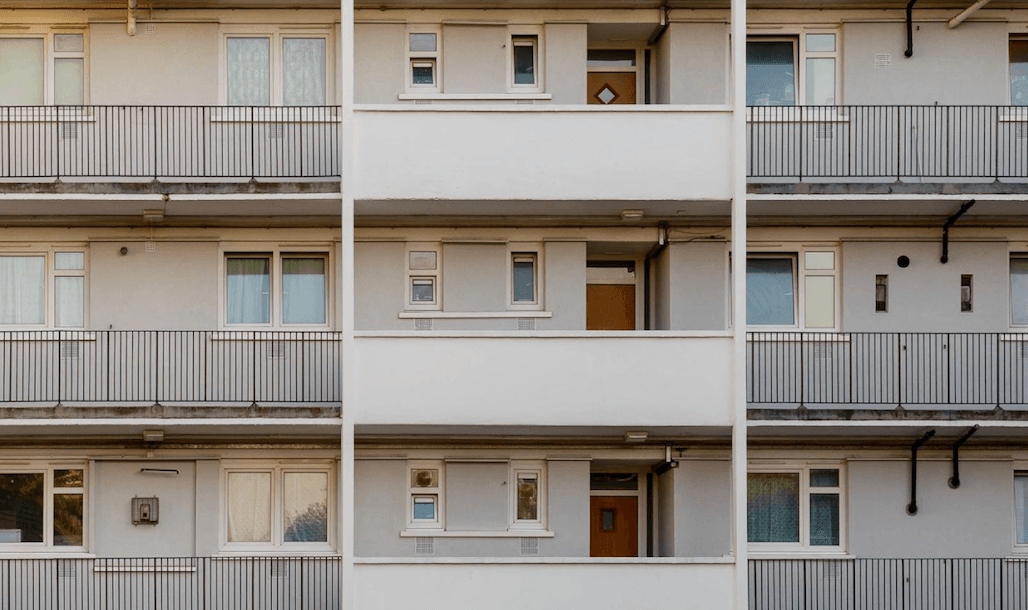
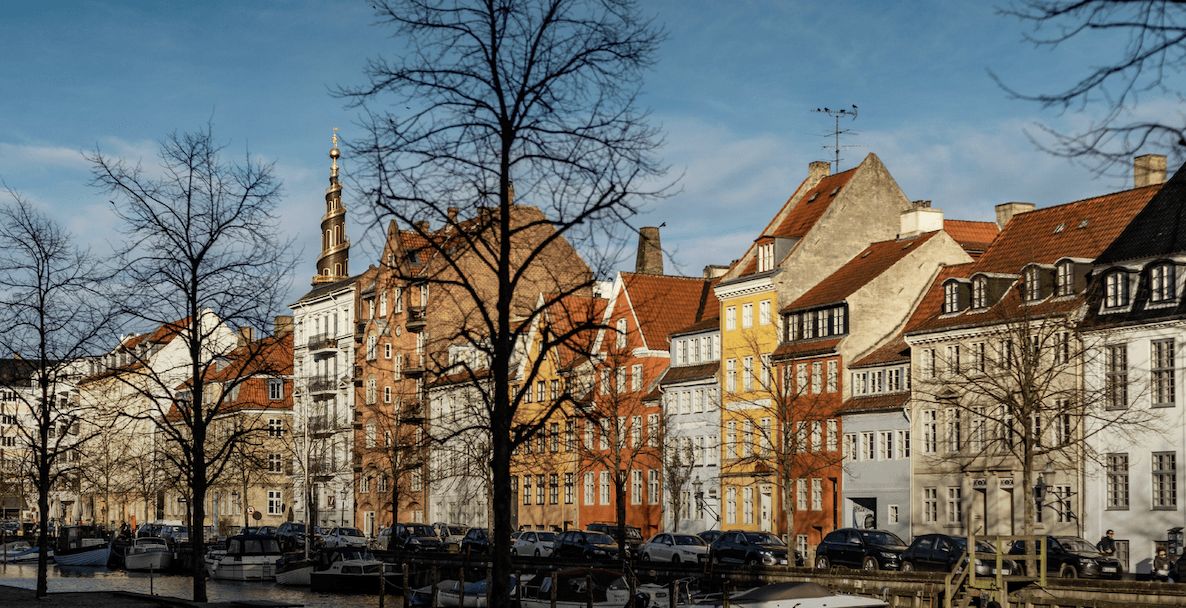
The UK counts some of Europe's most enduring residential buildings among its streets. Red-brick terraces, stone-built workers' housing, mansion blocks and Grade Il listed addresses that have lived through generations of use, economic extremes and even survived war. They're proof the best homes are the ones still standing a century after they were built.
But can today's housing stand time's test? Not if we continue to put financial wins first, civic value second.
The BRIK-Down
In the UK, we've now normalised a modern housebuilding model where profit outranks purpose. Where we used to value longevity, beauty, adaptability and civic interest, we now build based on margin, speed and exit price. Nostalgia aside, the current finance-first ethos is setting up a bigger problem. Because when homes of the past are still holding a place in the market now, what kind of housing stock is the quality we're producing going to offer the future?
The mainstream delivery of today follows a commercially logical structure:
--> Control land
--> Manage planning risk
--> Standardise typologies
--> Build quick
--> Sell at scale
--> Protect margin
The Modern Delivery Model
Was our most enduring housing built to meet a sales target or quarterly return? No, it was built as a provision to last. While some heritage buildings need refitting to keep up with modern efficiencies, their durability and architectural integrity keep them in play. The same housing that served Victorians, still going strong - continuing to age well and adapt. In fact, their worth does anything but diminish, because many of the areas they're found remain the most sought-after places to live. The lesson: building for longevity is the way to win the long game. But here we are, thinking so short-term.
You can't fault this approach for delivering consistently, at scale and to target. But you can fault the trade-offs it's creating. When homes are optimised for market appeal in the moment, the details that matter for long-term performance, like material quality, acoustics, ventilation, storage and adaptability, get bumped down the list to protect the all-important margin.
With targets met, this logic fades post-completion. But the need for quality will linger.
Old vs New: Who Wins at Sustainability?
The quality question doesn't just impact residents' living experience; it matters for sustainability too. We might think of new buildings as beacons of energy efficiency, while heritage needs dragging into modern standards of sustainability - but work by Historic England and UKGBC suggests otherwise.
Even if older buildings score worse on some energy metrics, they can still be more sustainable overall.
And short-lived new buildings, with their likelihood of repair or replacement work, can undermine long-term carbon objectives. Both bodies highlight how reuse and retrofit are better than demolition and rebuild, all things considered. This doesn't create a clear winner between old versus new; it simply supports longevity as the key.
Putting Purpose Before Profit
The reality is: to return to long-term building standards, there also has to be a shift back to purpose before profit. The good news is this is already a growing philosophy in the industry, with many placing more weight on long-term performance through:
--> Designing for 100 years (not 10) with generous daylight, ventilation, real storage, real flexibility and layouts that support a range of life stages.
--> Fabric-first craft, using repairable materials that don't depend on perfect occupant behaviour.
--> Whole-life carbon as standard, looking to reuse everywhere possible and build light where it's not.
--> Character and local identity over copycat developments, properly integrated with locality.
--> Stewardship models that support communities and placemaking long after completion.
The challenge, and opportunity, is in developing delivery models that incentivise and reward these long-term standards - making sure they can be adopted in the mainstream.
Our Take
Built to last or tick the boxes of a single market moment, housing does become part of the fabric of towns and cities. Whether it's short-lived or ever-evolving depends on the value they're raised by.
While the current delivery model that values margin has proved effective at scale, a huge civic resource like housing can't go on being built for today's market alone. The next phase of the housing conversation needs to focus less on how fast homes are delivered, and more on setting its own benchmark of longevity, maybe even outdoing the housing heritage that showed us how enduring quality is done.