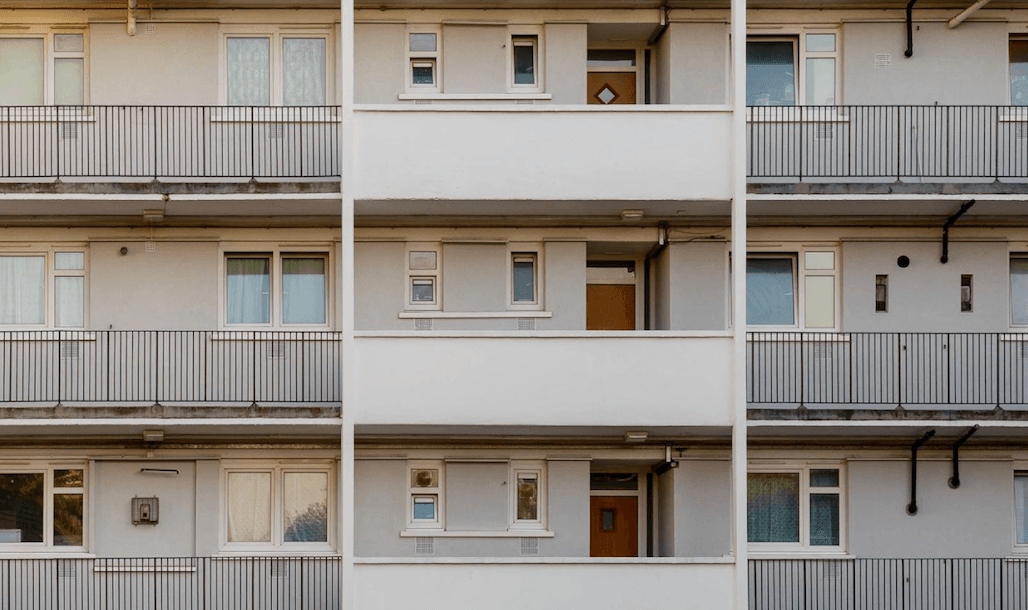
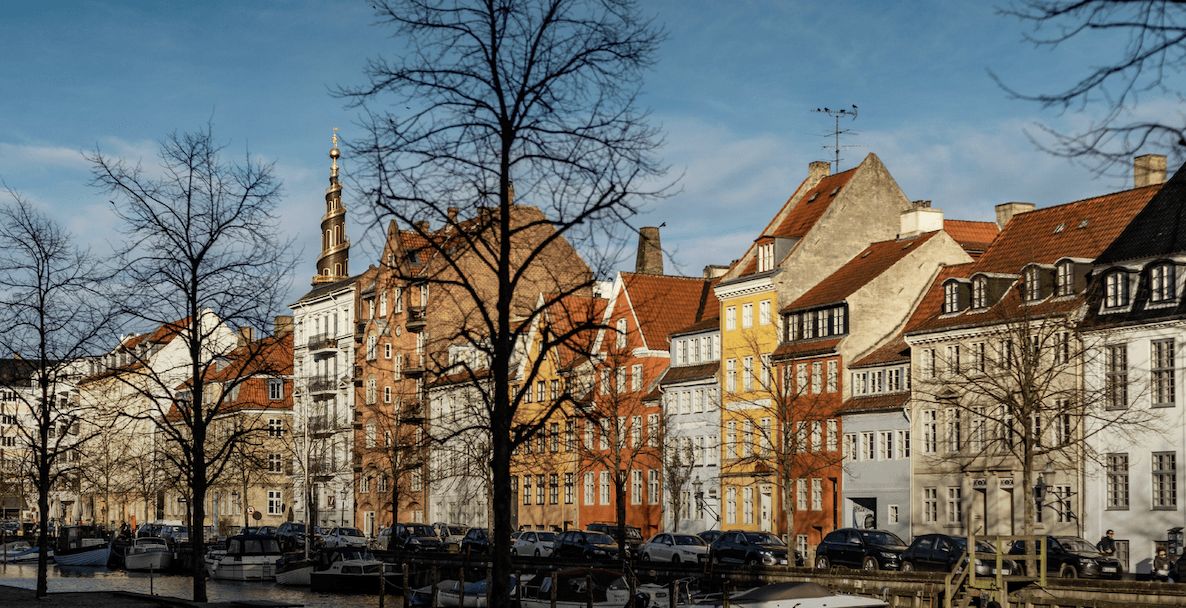
If we're starting to worry about density, chances are it's already here. Towers are up, streets are busy and rents have found their level. But, like regeneration, density doesn't begin with numbers, it begins with people, and the subtle shifts in how and where they want to live.
Across the UK, city centres are getting denser, not by accident, and not temporarily. A structural shift is underway, led by younger households choosing proximity over space, experience over ownership, and city life over the commute. Density is no longer a side effect of success; it's now one of its defining characteristics.
The real question has moved from how much density can cities take, to how do we design places built to live with it?
The BRIK-Down
Every major UK city centre tells the same story early on. Young adults move in first. Graduates stay.
Renting dominates. Walkability and access beat square footage. Social life (and spaces) subsidise the need for private space like gardens. Density follows.
In Manchester, the city-centre population has more than doubled since the early 2000s. Birmingham and Leeds are on similar paths. Even cities once shaped by suburban commuting are seeing people flow back into their cores. This is a shift in lifestyle more than a housing market trend. City centres are becoming places to live first, and work second.
And density is the physical outcome of how people are choosing to live.
So, what does density actually do to a city, and how well are we designing for it right now?
Manchester: Momentum isn't enough
Manchester shows both sides of the density coin. Demand is strong, graduate retention is high, and the city centre has a clear identity built around walkable, mixed-use neighbourhoods.
Still, risks are emerging. Residential typologies are starting to blur into one another. Family-friendly homes are rare. Green and civic spaces are under pressure. Too often, unit count wins over lived experience.
Manchester's momentum alone won't sustain density. Without variation, texture and human scale, success is set to flatline.
London: Don't forget affordability
London pushes the density question to its extreme. World-class transport, heavy public-realm investment and strong mixed-use planning sit alongside deep structural imbalance.
If being at a city's core requires a trade-off between generous private space and getting your quality of life from shared, social settings, both can't be wildly expensive. And yet.
London's density without affordability has narrowed who gets to stay, displacing key workers and creating social monocultures that drive people away, rather than in. London proves density doesn't mean inclusion. Tenure mix, long-term affordability and design quality matter just as much as numbers.
Learning From Mistakes
As density rises, pressure always seems to land in the same places. It's these exact areas that hold the key to urban design that copes (and thrives) under density.
--> Public realm
Streets, squares, and parks carry more social load than ever before - embedding green space both horizontally, vertically and incidentally among developments keeps public real from buckling.
--> Social infrastructure
Crowding, waitlists, instant sell-outs - the core infrastructure that is gyms, libraries, childcare, health services and cultural venues need to serve communities with greater capacity.
--> Housing quality
Homes shrink under density. Design should step up, creating smaller homes better designed for daylight, storage, acoustics and flexibility. It's also about raising enriching buildings to last, not just lease quickly.
--> Identity and character
Without variation, density produces repetition. And urban identity gets diluted when sameness creeps in. Cities can't risk becoming interchangeable, instead, we need to protect and prioritise the integration of independent space use.
--> Long-term liveability
If city centres only work for a narrow life stage, churn increases and communities weaken. Both housing and social spaces need to be diverse to attract diverse city-dwellers - keeping their growing families and worth close.
Our Take
UK cities have done the hard part. People are back, density is here. The harder task now is designing city centres they want to stay in.
If the density question is what does the growth of UK cities demand? We have our answer: places that feel genuine and generous to live in.
Measuring density in population count doesn't make it about people. When we stop looking at planning metrics like homes per hectare or units leased, and start treating density as a human experience to design for - that's when density can be done right.